
Letter S worksheets in PDF format provide a versatile tool for early readers, combining visual appeal with interactive practice. These resources help students master the shape, sound, and usage of the letter S while supporting fine‑motor skills and confidenceTeachers can customize PDFs for learning
What Are Letter S Worksheets?
Letter S worksheets are focused educational tools that help students identify, write, and use the letter “S.” They reinforce the visual shape, initial sound, and presence in everyday words. Working through these worksheets builds confidence in recognizing “S” and strengthens foundational reading skills.
Typical activities include tracing the uppercase and lowercase “S,” matching words that start with or contain the letter, and filling in missing letters in sentences. Some worksheets feature themes—such as animals, sports, or seasonal items—to keep students while practicing phonics and spelling.
Using these worksheets supports, learners practice forming the letter with pencils or pens. It also enhances phonemic awareness, encouraging learners to hear the “s” sound and link it to written symbols. Repeated exposure to the letter in varied contexts strengthens memory and recall.
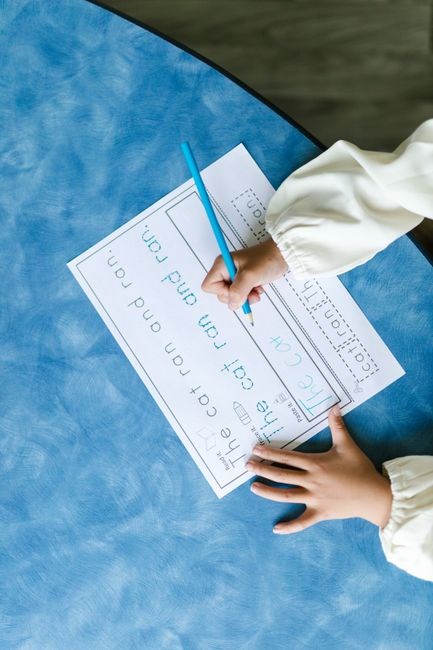
Many educators choose PDF versions because they are printable, editable. PDFs can be customized with fonts, colors, or difficulty levels, allowing teachers to adapt material to diverse learning needs. Digital worksheets also enable interactive features, such as clickable answers or embedded audio for pronunciation practice.
In addition to classroom use, parents and tutors can download printable PDFs to reinforce learning at home. By incorporating letter S worksheets into routines—such as reading time, writing practice, or homework assignments—students receive targeted practice that accelerates literacy development.
Benefits of Using PDFs for Worksheets
PDFs offer a flexible, reliable format that preserves layout, fonts, and images across devices. Teachers can print worksheets with consistent spacing, ensuring every student receives the same visual experience. The format supports high‑resolution graphics, making tracing lines and letter shapes crisp and easy to follow, which is especially important for young learners who rely on visual cues.
Because PDFs are universally accessible, they work on Windows, macOS, Linux, tablets, and smartphones. Students can view worksheets offline, which is ideal for field trips or areas with limited internet. The ability to annotate directly on the PDF—highlighting correct answers or adding notes—provides instant feedback without re‑printing, saving time and resources.
Customizability is another advantage. Educators can edit PDFs to adjust font size, add color highlights, or insert additional practice lines. This adaptability allows differentiation for learners at varying proficiency levels, ensuring that each child receives targeted support. Teachers can also embed hyperlinks to audio pronunciations or interactive quizzes, creating a blended learning experience that blends traditional worksheets with modern technology.
Security features, such as password protection or watermarking, help maintain the integrity of the materials. Teachers can share PDFs via email or learning management systems, keeping resources organized and easily searchable. The file size remains small, facilitating quick downloads and minimal storage use, which is crucial in bandwidth‑constrained environments.
Finally, PDFs support integration with digital assessment tools. Educators can embed interactive elements that automatically grade responses, allowing for immediate data collection and analysis. This seamless blend of print‑friendly design and digital interactivity makes PDFs an ideal choice for modern classrooms, home‑study, and blended learning environments.
Overview of the Article
This article explores the world of Letter S worksheets in PDF format, guiding educators through selection, sourcing, and effective classroom application. We begin by defining what Letter S worksheets are and why they matter for early literacy development. Next, we examine the practical advantages of PDFs, such as portability, consistency, and the ability to customize content for diverse learning needs. The discussion then shifts to the main categories of worksheets—tracing, matching, and creative writing prompts—highlighting how each supports distinct skill sets. Additionally, we discuss how to adapt worksheets for multilingual classrooms, ensuring accessibility for students with diverse linguistic backgrounds.
We also provide a curated list of reputable online repositories, teacher resource platforms, and printable PDF collections where educators can locate high‑quality materials. Practical tips follow, covering preparation steps, lesson‑plan integration, and assessment strategies to track student progress. Throughout, we emphasize alignment with curriculum standards and differentiation techniques to accommodate varying proficiency levels.
By the end of this guide, readers will have a comprehensive toolkit for selecting, adapting, and deploying Letter S worksheets that enhance engagement, reinforce phonemic awareness, and support foundational reading skills.
Looking ahead, we touch on emerging trends such as interactive PDFs, gamified worksheets, and integration with learning management systems, offering insights into how technology can further enrich the learning experience. These innovations promise to keep Letter S instruction fresh and engaging for future learners.

Types of Letter S Worksheets PDF
Letter S worksheets come in varied PDF formats: tracing sheets guide fine‑motor practice, matching cards reinforce recognition, and story prompts spark creative use. Each type targets specific skills, from shape identification to phonemic awareness, enabling tailored lesson plans. Ideal worldwide. for all
Tracing Worksheets
Tracing worksheets for the letter S are designed to reinforce the visual shape and the sound of the letter through guided practice. Students follow dotted or partially filled lines that outline the uppercase and lowercase forms, helping them develop muscle memory and confidence. By repeatedly drawing the letter, learners strengthen fine‑motor coordination and internalize the correct stroke order, which is essential for legible handwriting.
Teachers often integrate these tracing sheets into daily routines, pairing them with phonics drills or word‑building activities. When students trace the letter S in isolation and then within simple words such as “sun,” “snake,” or “sand,” they connect the visual form to its phonetic value. The repetitive motion also aids memory retention, allowing learners to recall the shape quickly during spontaneous writing tasks. Additionally, educators can customize the difficulty level by adjusting line thickness, adding color accents, or incorporating interactive elements like drag‑and‑drop in digital PDFs. This flexibility ensures that both early readers and more advanced students remain engaged and challenged
In digital formats, teachers can embed interactive features such as fill‑in‑the‑blank or drag‑and‑drop, turning passive tracing into active learning. By encouraging students to trace the letter S while simultaneously naming related words, educators can reinforce multisensory engagement and accelerate literacy development.
Matching and Sorting Worksheets
Matching and sorting activities for the letter S help students recognize patterns, build vocabulary, and strengthen phonemic awareness. These worksheets present a collection of words, pictures, or letter clusters that begin with or contain the letter S, and students must pair or group them according to shared features. By sorting items into categories such as “S words that rhyme,” “S words with short sound,” or “S words that start with a silent letter,” learners develop critical thinking skills while reinforcing the target letter.
Teachers can use printable PDFs that include drag‑and‑drop or cut‑and‑paste options for digital classrooms. The worksheets often feature colorful illustrations and bold headings, making the sorting process engaging for young readers. When students match a picture of a snake with the word “snake” or place the letter S in a word puzzle, they actively apply the letter’s sound, which promotes deeper retention.
In addition, sorting exercises can be adapted for different proficiency levels. For beginners, simple “match the picture to the word” tasks are effective, whereas more advanced learners can tackle “sort by phoneme” or “group by word family.” By incorporating these worksheets into daily practice, educators support a holistic approach to literacy that blends visual, auditory, and kinesthetic learning styles.
These matching and sorting worksheets link the letter S to science topics like “seeds” and social studies terms such as “states.” By encouraging students to compare, they develop analytical skills that translate into stronger reading comprehension.
Letter‑S‑focused creative writing worksheets invite students to craft sentences, short stories, or poems that emphasize the letter S. These PDFs present prompts such as “Write a story about a secret squirrel” or “Create a poem that starts with the letter S and ends with the same sound.” By centering the activity on the letter, learners practice spelling, punctuation, and narrative structure while reinforcing phonics.
Teachers can distribute printable sheets that include a word bank of S‑words, a blank story template, and a checklist for key elements: beginning, middle, end, and a concluding sentence that repeats the initial sound. Students then fill in the blanks, ensuring each sentence contains at least one S word. This guided approach nurtures confidence and encourages experimentation with vocabulary.
Digital versions allow interactive features: drag‑and‑drop word blocks, audio playback of the final story, and instant feedback on spelling accuracy. The worksheets also support collaborative writing, where pairs of students alternate adding sentences, fostering peer learning and communication skills.
Assessment is straightforward: a rubric evaluates use of S words, sentence variety, and creativity. By integrating these worksheets into regular literacy routines, educators promote a playful yet purposeful exploration of the letter S, helping students internalize its sound and value in expressive writing.
These worksheets are designed to be flexible,allowing teachers to adjust difficulty by adding or removing words,altering sentence length,or incorporating multimedia elements; For example,a teacher might replace the word bank with a digital audio clip,letting students listen to pronunciation before writing. Such adaptations support diverse learning styles and align with phonics standards. The worksheets can be shared across grade levels, enabling older students to review foundational skills while younger learners build confidence. Students enjoy exploring S sounds daily. Ultimately, creative writing and story prompt worksheets centered on the letter S reinforce phonemic awareness and nurture imagination, encouraging students to express ideas, experiment with language, and develop a lifelong love of reading.

Where to Find High-Quality Letter S Worksheets PDF
Discover top sources for Letter S worksheets in PDF format: educational sites, teacher‑resource platforms, and curated printables. These sites offer free, downloadable PDFs that cover tracing, matching, and creative writing activities, ensuring high quality and easy integration into lessons.
Educational Resource Websites
Finding reliable, engaging Letter S worksheets in PDF form begins with reputable online platforms that specialize in early‑learning materials. These sites typically offer a mix of free and premium content, ensuring that teachers and parents can access age‑appropriate resources without compromising quality. Below are key characteristics to look for when evaluating a site:
- Curriculum alignment: Resources that match state or national standards help integrate worksheets into lesson plans seamlessly.
- Download flexibility: PDFs that can be printed or used on tablets provide versatility for various classroom settings.
- Content variety: A wide selection—including tracing, matching, and creative writing—cater to different learning styles.
- User reviews: Feedback from educators indicates practical usability and effectiveness.
- Accessibility features: High‑contrast, large‑font options support students with visual or motor challenges.
Popular educational sites such as Education.com, Super Teacher Worksheets, and Teachers Pay Teachers host extensive PDF libraries. Each platform offers search filters by grade level, skill type, and difficulty, allowing educators to pinpoint exactly the Letter S worksheets that fit their instructional goals. Additionally, many of these sites provide downloadable worksheets that can be printed in bulk or used digitally, making them ideal for both in‑class and remote learning environments.
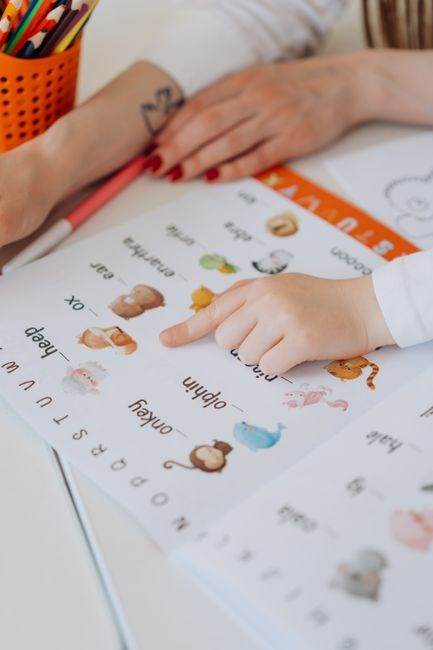
When exploring these resources, consider creating a personal library of PDFs for quick reference. Bookmarking favorite worksheets or organizing them into folders by theme (e.g., “S‑Sound Tracing” or “S‑Word Storytelling”) can streamline lesson preparation and ensure consistent practice for students. By leveraging reputable educational websites, teachers can access high‑quality Letter S worksheets that support phonics instruction, fine‑motor development, and creative expression.
Teachers can also take advantage of site‑wide search functions, entering keywords like “letter S tracing PDF” or “S‑sound matching worksheets.” Many platforms allow downloading entire sets at once, which is useful for creating a themed unit. If a site offers a subscription, consider the cost versus the volume of resources you plan to use; some subscriptions include unlimited access to all PDFs, while others charge per download.
By consistently exploring these platforms, educators build a robust toolkit that keeps students engaged and progressing in phonics mastery.
Letter S worksheets in PDF format offer a flexible, engaging tool for early readers. They combine visual appeal with interactive practice, helping students master the shape, sound, and use of the letter S while developing fine‑motor skills and confidence. PDFs can be printed or used digitally.!!!
Printable PDF Collections
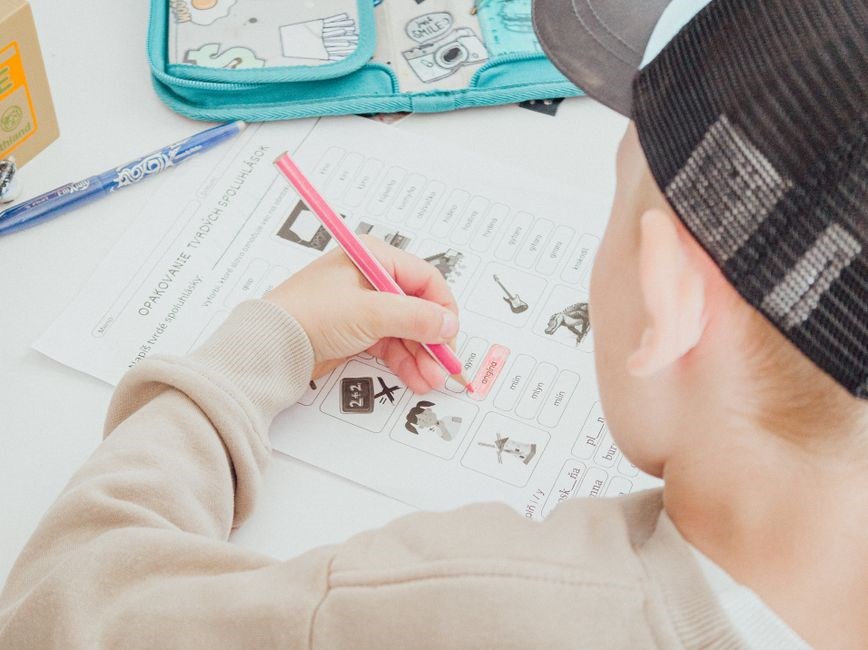
Teachers use PDF sets that bundle tracing sheets, games, and prompts. Because the layout stays consistent across devices, educators can annotate or highlight sections before printing. A single collection may focus on uppercase form, phonetic usage, or word‑building exercises, allowing teachers to mix activities that suit grade‑level needs.
When preparing printouts, paper weight, binding, and tabs aid navigation. Heavy‑weight stock prevents ink bleed, while spiral binding keeps sheets flat for tracing. Accessibility options such as alt text and screen‑reader friendly PDFs support classrooms. Many collections include stickers or cut‑out shapes for tactile reinforcement.
Supplemental materials—flashcards, bingo sheets, or digital quizzes—can be embedded in learning management systems, creating a seamless transition from paper to online review. Teachers may share PDFs with peers, fostering a community refines and expands the resource pool;
With thoughtful selection, printable PDF collections become a flexible foundation, allowing educators to adapt content to classroom dynamics while ensuring consistent, high‑quality practice for all learners and for all ages!!
- Easy download and instant printing.
- Consistent formatting across all activities.
- Editable templates for personalized content.
- Answer keys for quick grading.
- Accessibility options for diverse learners.
- Compatibility with classroom technology.

How to Use Letter S Worksheets PDF Effectively
Start by previewing each PDF page, noting key learning objectives. Print or display on a screen, then guide students through tracing, matching, and writing tasks. Use timers for fluency, and provide instant feedback. Record progress to adjust future lessons. Review each activity outcome lessonly.
Preparing the Material
Before introducing Letter S worksheets in PDF format, gather all necessary resources. Ensure that the PDF files are accessible on the classroom computer or printed copies are ready for each student. Check that the file size is manageable to avoid lag during screen sharing or printing. Verify that the worksheets are aligned with the current curriculum standards and that the difficulty level matches the students’ proficiency.
Organize the worksheets into logical sections: tracing, matching, and creative writing. Label each section clearly, either by adding a header in the PDF or by creating a separate index sheet. This helps students navigate the material quickly and reduces confusion. If you plan to use the worksheets in a blended learning environment, consider converting the PDFs to interactive formats or embedding them in a learning management system.
Finally, test each worksheet for clarity and functionality. Open the PDF on different devices to ensure fonts, images, and interactive elements display correctly. Print a sample page to confirm that the layout remains intact when printed. By following these preparation steps, you create a smooth learning experience that allows students to focus on mastering the letter S without technical distractions.
Teachers can also use digital tools like interactive whiteboards or mobile apps to boost engagement. Mixing print and tech gives learners a richer practice that supports learning styles!!
Integrating Worksheets into Lesson Plans
When weaving Letter S worksheets PDF into daily instruction, start by aligning each activity with a clear learning objective. For example, a tracing sheet can reinforce the shape of S while a matching exercise develops phonemic awareness. Embed the PDF within lesson block that includes brief introduction, guided practice, independent work and closing reflection.
Use a flipped‑classroom approach: assign the PDF for pre‑class review, then spend in‑class time discussing common errors and strategies. This shifts the focus from passive reading to active problem‑solving. Provide scaffolded support by highlighting key features in the PDF, such as bolded letters or color‑coded clues, to guide students through the tasks.
Integrate technology by projecting the PDF on a smartboard, allowing live annotation. Encourage students to annotate their own copies, marking the correct strokes or noting synonyms that begin with S. This dual‑mode engagement reinforces memory and fine‑motor skills.
Finally, link the worksheet outcomes to a larger project, such as creating a class book of S‑words. This contextualizes the practice, giving students a tangible goal and a sense of ownership over their learning journey.
Teachers can incorporate a review quiz after the worksheets, using the PDF’s embedded hyperlinks to instant feedback, ensuring students stay engaged and can self‑correct mistakes in real time.Students master S. immediately!! now
Assessing Student Progress
To gauge how well learners grasp the letter S, use a multi‑layered assessment strategy that leverages the PDF’s interactive features. Begin with a quick pre‑test embedded in the PDF: a short multiple‑choice quiz that asks students to identify the correct S‑sound in a set of words. The instant‑feedback links in the PDF allow students to see correct answers immediately, fostering self‑assessment.
Next, collect completed worksheets and apply a rubric that focuses on three dimensions: shape accuracy, phoneme identification, and contextual usage. Assign numerical scores for each dimension and calculate a composite score. Record these scores in a digital spreadsheet to track progress over time.
Use formative checkpoints by having students annotate their own PDFs. Ask them to circle any S‑words they find challenging and write a brief note explaining why. This reflective practice not only deepens comprehension but also provides qualitative data for teachers to tailor follow‑up instruction.

For summative evaluation, design a capstone activity where students create a short story or poem that includes at least ten distinct S‑words. Have them submit the PDF version, and assess based on a checklist that includes correct spelling, varied usage, and creative expression. This final assessment demonstrates mastery and encourages higher‑order thinking.
Finally, schedule a one‑on‑one review session using the PDF as a visual aid. Discuss the student’s scores, highlight growth areas, and set personalized goals. This continuous feedback loop ensures that assessment drives instruction, not just evaluation.