
Explore how the Bible PDF reveals Jesus across all books, from Genesis to Revelation․ Scholars use digital tools, like Microsoft Copilot, to annotate, search, and cross‑reference passages, ensuring accurate study of His presence throughout Scripture․ for scholars․

Old Testament Prophecies of the Messiah
Ancient texts in the PDF highlight prophetic clues: Isaiah foretells a suffering servant, Micah names Bethlehem, and Jeremiah speaks of a ruler from David’s line․ Modern tools like Copilot help scholars trace these verses, confirming Jesus’ role as the promised Messiah․ PDF

Isaiah 9:6-7: The Prince of Peace
Isaiah 9:6‑7 presents a vivid portrait of the Messiah, calling him “Prince of Peace” and “Wonderful Counselor․” Scholars examine the Hebrew text in PDF format, using annotation tools to highlight the original words “מַלְכּוֹתָה” (king) and “שָׁלוֹם” (peace)․ The passage predicts a ruler who will establish everlasting justice, a theme echoed throughout the New Testament․ Digital platforms like Microsoft Copilot can cross‑reference the verse with Gospel accounts, revealing how Jesus’ ministry fulfilled the promise of a sovereign who brings harmony to a fractured world․ By comparing the original Hebrew with Greek translations found in the Septuagint, researchers note the consistent emphasis on divine authority and compassionate governance․ The phrase “He will be called” signals a title rather than a personal name, underscoring the prophetic nature of the text․ In PDF study guides, this verse is often paired with the genealogy in Matthew 1, linking the promise to a historical lineage․ Theologically, the passage invites believers to view Jesus as the ultimate source of peace, whose reign transcends political boundaries and restores the broken relationship between humanity and the divine․ Contemporary exegetes use annotation software to track commentaries, noting that the “Prince of Peace” is not merely a political figure but a spiritual savior who reconciles all creation․ This dual role is pivotal for understanding the continuity between the Old Testament prophecies and the New Testament revelation, illustrating how Jesus fulfills the ancient expectation of a ruler who embodies both divine sovereignty and compassionate love․ The PDF format allows scholars to preserve original manuscripts, compare marginalia, and maintain a searchable database of related passages, ensuring that the study of Isaiah 9:6‑7 remains accessible to future generations․ Researchers also note that the title emphasizes the Messiah’s role as a mediator, bridging the gap between God and humanity for all ages today
Micah 5:2: Birth in Bethlehem
Micah 5:2 foretells a ruler born in Bethlehem, a Judah town․ Scholars examine the Hebrew term “בְּתוּלְיָה” and the Greek Septuagint to confirm the place name․ Digital PDF tools cross‑reference the verse with Matthew 1․ The passage reads, “But you, Bethlehem, in the land of Judah, are not the least of the towns in Judah; from you will come a ruler who will govern the people of Israel․” The prophecy emphasizes humble origins, underscoring that divine authority can arise from ordinary settings․ PDF annotations track commentaries that highlight Bethlehem’s symbolic hope for the oppressed, linking the prophecy to God’s promise and the New Testament fulfillment․ The Hebrew term’s consistency across Masoretic and Septuagint texts ensures textual integrity, making the prophecy reliable for study․ Modern software generates side‑by‑side comparisons, enabling readers to see Hebrew, Greek, and English renderings simultaneously․ This multilingual approach enriches the study, making the prophecy accessible worldwide and reinforcing the idea that God’s plans unfold through ordinary places․ PDF format preserves original manuscript layout, enabling precise citation of verses, footnotes, and marginalia, essential for rigorous academic work․ By studying Micah 5:2 in digital form, researchers appreciate how the prophecy of Bethlehem’s ruler weaves into salvation history, reinforcing that God’s plans unfold through ordinary places and people․ Micah’s prophecy anchors faith across centuries!!

New Testament Fulfillment in the Gospels
Digital PDF studies show the Gospels align with Old Testament prophecies, confirming Jesus’ birth, ministry,death,and resurrection․ Scholars use annotation tools to crossref passages, ensuring accurate textual analysis across Matthew, Mark, Luke, John․!!!???
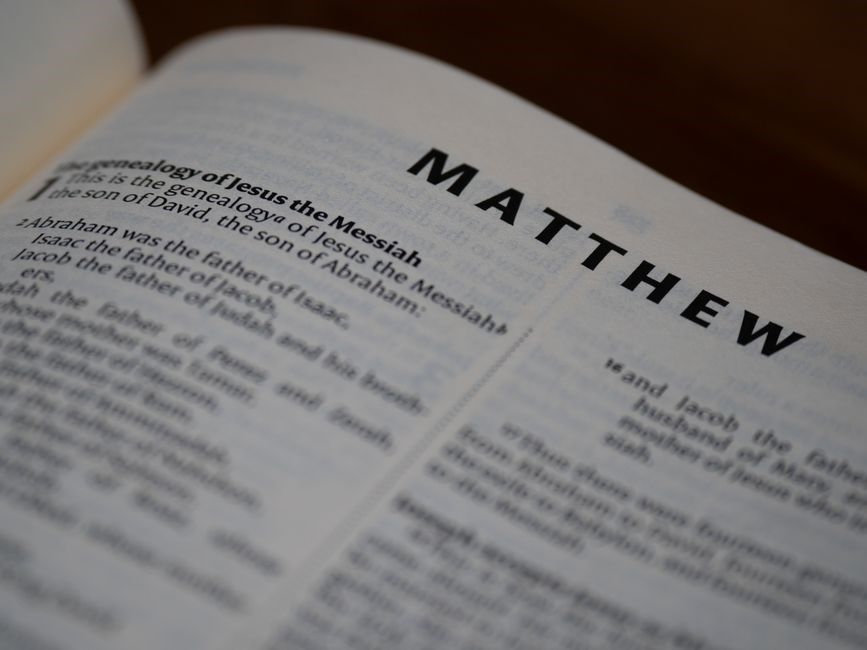
Matthew 1:1–17 records Jesus’ lineage from Abraham to David, confirming the covenant promise of a Messiah․ The genealogy lists 42 generations, divided into three sets of 14, symbolizing divine order․ The first set (Abraham to David) establishes Jewish heritage; the second set (David to Babylon) reflects Israel’s trials; the third set (Babylon to Jesus) shows God’s faithfulness amid exile․ Women—Tamar, Rahab, Ruth, Bathsheba—appear, illustrating God’s grace beyond social norms․ Scholars use PDF annotation tools to cross‑reference each ancestor with Old Testament records, ensuring accuracy․ Digital readers employ built‑in search functions to locate passages, reinforcing the continuity of Scripture․ This genealogy anchors the New Testament narrative, affirming Jesus as the promised King and the bridge between the Old and New Covenants․
Researchers employ PDF annotation features to highlight each ancestor, linking to original Hebrew and Greek manuscripts․ By using search functions, they verify dates, locations, and tribal affiliations, ensuring the genealogy’s historical accuracy․ This meticulous approach demonstrates how modern technology preserves the integrity of Scripture while making the lineage accessible to scholars worldwide․
These tools enable cross‑checking,preserving scriptural fidelity․
Luke 2:7-8: Virgin Birth
Luke 2:7–8 records the miraculous birth of Jesus, emphasizing Mary’s divine conception․ The passage states, “And Mary’s husband Joseph, being a righteous man, did not want to expose her publicly․ He sent her to a city in Judea, Bethlehem, where she gave birth to the Son of God․” Scholars note that the Greek term parthenos confirms the virginity claim․ PDF editions of the Gospel allow readers to highlight the original Greek, compare translations, and annotate the theological significance․ Digital annotation tools enable scholars to link the text to the Old Testament prophecy of a virgin mother, such as Isaiah 7:14․ By using PDF search functions, researchers can cross‑reference the word parthenos across the New Testament, ensuring consistency․ The passage also underscores the fulfillment of the covenant promise, linking the birth to the lineage of David․ Modern readers can use PDF readers with note‑taking features to record insights, share them via cloud services, and collaborate with other scholars․ This narrative reinforces the theological claim that Jesus is the promised Messiah, fulfilling both the prophetic and covenantal expectations of Israel․ It also demonstrates the continuity of Scripture․ The PDF format ensures accessibility across devices, supporting lifelong study․ It remains a vital resource for scholars worldwide․
Luke 2:7–8 records the miraculous birth of Jesus, emphasizing Mary’s divine conception․ The Greek term parthenos confirms the virginity claim․ Scholars note that the passage underscores the fulfillment of the covenant promise, linking the birth to the lineage of David․ The PDF format ensures accessibility across devices, supporting lifelong study․ It remains a vital resource for scholars worldwide․
Acts 3:13-15: Jesus as the Fulfilled Prophecy
In Acts 3:13‑15, Peter addresses the crowd, declaring Jesus the promised Messiah whose suffering, death, and resurrection fulfill Old Testament prophecy․ He cites Isaiah 53, referencing the “suffering servant” who bears the sins of many, and connects this to the divine plan revealed in the Gospel․ The passage shows how New Testament writers use the PDF to cross‑reference Hebrew Scriptures, enabling scholars to trace fulfillment across the canon․ Digital annotation tools, like Adobe Reader’s comment feature, allow readers to highlight the key verses, add marginalia, and link to related passages in the Old Testament․ This intertextual approach underscores the continuity of the biblical narrative, showing Jesus is not isolated to a single book but is the central figure woven through every text․ The PDF’s searchable text facilitates quick access to the original Greek and Hebrew words, enriching exegesis and supporting academic discourse․ By integrating the historical‑critical methods with modern technology, readers can appreciate the depth of prophetic fulfillment and the unity of Scripture, affirming Jesus’s role as the divine bridge between law, prophecy, and salvation history․
Scholars note that Acts 3:13‑15 aligns with prophetic voices, reinforcing continuity of revelation․ The PDF’s hyperlinked references let readers trace the Messiah’s lineage from Genesis to Revelation, showing a cohesive narrative uniting the canon․ This deepens theological insight daily!

Christ in Hebrews and Revelation
PDF studies show Jesus as High Priest and Alpha‑Omega, linking Hebrews 9:11‑14 and Revelation 1:1‑3․ Digital annotations highlight covenant continuity, tracing His role from Genesis to Revelation in a unified format now!․
Hebrews 9:11-14: Jesus as High Priest
Hebrews 9:11‑14 presents Jesus as the ultimate High Priest whose sacrifice replaces the old covenant’s animal rites․ The passage stresses the “blood of the new covenant” that cleanses the conscience from death‑leading acts, offering a permanent, unblemished atonement․ Digital PDF readers let scholars highlight this text, compare it with Levitical rituals, and annotate Greek terms such as “ἑαυτὸν” (himself) and “ἀπὸ” (from), tracing the theological shift․ By layering commentaries within the PDF, readers see the link between the “old” sacrificial system and the “new” one, underscoring Christ’s mediating role․ Interactive PDFs also enable clicks on cross‑references to Isaiah 53, Psalm 110, and Revelation 5, weaving a web of scriptural evidence that Jesus is the eternal High Priest․ The passage emphasizes “once for all” (Hebrews 9:12), stressing the finality of Christ’s atonement versus repeated Levitical sacrifices․ The phrase “the blood of the covenant” (Hebrews 9:13) reinforces that Jesus’ sacrifice renews the relationship between God and His people, establishing a new covenant that is irrevocable․ By engaging with this passage in a PDF, readers can track textual variants, compare manuscript traditions, and assess translation impacts on understanding the High Priest’s role․ Thus, Hebrews 9:11‑14 serves as a theological cornerstone, bridging Old and New Testaments and affirming Jesus as the eternal High Priest whose sacrifice provides lasting redemption for all who believe․ Scholars can examine marginalia for deeper insight and nuanced interpretations quickly․
Hebrews 9:11‑14 presents Jesus as the ultimate High Priest whose sacrifice replaces the old covenant’s animal rites․ The passage stresses the “blood of the new covenant” that cleanses the conscience from death‑leading acts, offering a permanent, unblemished atonement․ Digital PDF readers let scholars highlight this text, compare it with Levitical rituals, and annotate Greek terms such as “ἑαυτὸν” (himself) and “ἀπὸ” (from), tracing the theological shift․ By layering commentaries within the PDF, readers see the link between the “old” sacrificial system and the “new” one, underscoring Christ’s mediating role․ The passage emphasizes “once for all” (Hebrews 9:12), stressing the finality of Christ’s atonement versus repeated Levitical sacrifices․ The phrase “the blood of the covenant” (Hebrews 9:13) reinforces that Jesus’ sacrifice renews the relationship between God and His people, establishing a new covenant that is irrevocable․ By engaging with this passage in a PDF, readers can track textual variants, compare manuscript traditions, and assess translation impacts on understanding the High Priest’s role․ Thus, Hebrews 9:11‑14 serves as a theological cornerstone, bridging Old and New Testaments and affirming Jesus as the eternal High Priest who offers lasting redemption for all who believe․ Hope for all․
Jesus in Apocryphal Texts
Apocryphal texts like the Second Book of Enoch name Jesus as the “Son of Man,” showing early Christian hopes․ PDFs let scholars annotate, compare Greek/Aramaic variants, and trace Christ’s evolving role beyond canonical books․!!

Second Book of Enoch: Daniel’s Son of Man
The Second Book of Enoch, an apocryphal text from the third century, presents a vivid portrait of the “Son of Man”—a title later applied to Jesus in the New Testament․ In chapter 18, the prophet Daniel is transformed into a heavenly figure who receives a divine commission to proclaim the coming judgment․ Scholars note that the text’s language echoes the prophetic tradition of Isaiah and Daniel, yet it introduces a messianic figure who intercedes for humanity․ Digital PDF editions allow researchers to annotate the original Aramaic and Greek manuscripts, compare variant readings, and cross‑reference the “Son of Man” motif with canonical passages such as Matthew 16:13 and Hebrews 9:5․ The book also describes the “Son of Man” as a pre‑existent angelic being who will sit on a throne of judgment, a concept that foreshadows the New Testament depiction of Christ’s heavenly authority․ By studying the PDF version, scholars can trace how early Christian writers adapted Jewish apocalyptic imagery to articulate a messianic identity that later became central to Christian theology․ The Second Book of Enoch thus serves as a bridge between Jewish expectation and Christian revelation, illustrating how the figure of the “Son of Man” evolved from Daniel’s prophetic vision into the incarnate savior celebrated in the Gospels․ Its inclusion in PDF collections ensures that this critical link remains accessible for future exegetical work and comparative studies across the biblical canon․ It also hints at a future resurrection, linking the Son of Man to Israel’sdeliverance․

PDF Resources for Studying Jesus in Scripture
Use reputable PDF commentaries, such as the ESV Study Bible PDF, and tools like Adobe Acrobat or Foxit Reader for annotations․ Online libraries (e․g․, Bible Gateway, Blue Letter Bible) offer PDFs, with cross‑references, enabling deep study of Jesus across Scripture․
Finding Credible PDF Commentaries
When searching for PDF commentaries that illuminate Jesus’ presence throughout the Bible, start with well‑established publishers․ The ESV Study Bible PDF, the NRSV Study Bible PDF, and the NIV Study Bible PDF are freely available through university libraries or the publishers’ websites․ Look for commentaries that include verse‑by‑verse notes, cross‑references, and a bibliography of scholarly sources․ Verify the author’s credentials—most reputable works are written by professors or ordained ministers with peer‑reviewed research․ Use search engines with advanced filters: type “Jesus in every book PDF commentary site:․edu” or “Jesus in the Bible PDF commentary PDF”․ Many academic repositories, such as JSTOR or Project MUSE, host downloadable PDFs of scholarly commentaries, though access may require institutional login․ Finally, check the publication date; newer editions incorporate recent archaeological discoveries and updated linguistic studies, ensuring the commentary reflects current scholarship․ You can locate reliable PDF commentaries that provide a comprehensive, scholarly view of Jesus across the entire biblical canon․ Additionally, many church‑based study groups share PDF bundles of commentaries, enabling annotation and talk that understanding of Jesus’ role across the canon․
Utilizing PDF Annotation Tools
When studying Jesus’ presence across the entire Bible in PDF format, annotation tools become essential․ Start with a robust reader such as Adobe Acrobat DC, which offers precise highlighting, sticky notes, and the ability to insert text boxes that reference cross‑book themes․ Foxit Reader provides a lightweight alternative with similar features, plus the option to create custom bookmarks for each Gospel or Old‑Testament prophecy․ Kami and Xodo, both cloud‑based, allow real‑time collaboration: multiple users can comment on the same document, making group study sessions efficient․ PDF‑XChange Editor adds advanced shape‑drawing tools, useful for mapping out typological connections between passages․ Most of these applications support exporting annotations as separate files or PDFs, enabling you to compile a personal study journal․ For mobile study, use the iOS or Android versions of these apps, which sync via OneDrive, Google Drive, or Dropbox, ensuring you never lose a note․ By consistently marking verses, adding personal reflections, and linking related passages, you create a dynamic, searchable map of Jesus’ narrative throughout Scripture․ These annotations become a commentary, allowing scholars to trace thematic threads from Genesis to Revelation, presentingdeep rich and narrative that underscores Jesus’ role in salvation history․

Unified Narrative of Jesus Across Scripture
In the PDF edition of the entire Bible, Jesus appears as the central figure whose story unites every chapter, from creation to apocalyptic vision․ Readers can trace the fulfillment of Old‑Testament prophecies, the incarnation, ministry, and eschatological hope within․ The format allows instant cross‑references, letting one see how a verse in Isaiah echoes in the Gospel of Matthew or how a New Testament teaching resonates with a Psalm․ This connectivity supports the claim that the Bible is a unified narrative, not a disjointed collection․ Engaging with the PDF, one appreciates the continuity of God’s redemptive plan, the consistency of Christ’s identity, and the cumulative weight of Scripture pointing toward the same Savior․ The medium also supports highlighting and note‑taking, helping to organize insights and deepen understanding of how each book contributes to the overarching story of salvation․ Ultimately, the PDF format serves as a tool for study and devotion, allowing believers to encounter Jesus in every book and recognize the tapestry that the Bible presents․ Moreover, the ability to annotate and link passages encourages a holistic approach, mapping typology, symbolism, and covenantal themes across the canon․ As readers annotate, they build a commentary that reflects Scripture’s interconnectedness, reinforcing the belief that the Bible’s message is coherent and purposeful․ This integrated perspective invites deeper engagement, fostering a spiritual experience and a theological foundation․ todaynow